Summary: Following heavy September 2026 rainfall near Galena and Lena, Elevated Roofing outlines what homeowners should record after hail, high winds, or heavy rain. The release addresses visible roof damage, safety precautions, emergency tarping after storms have stopped, and the records that can help with inspections, warranty questions, and insurance review.
STOCKTON, Ill. — Elevated Roofing Inc. is issuing post-storm roof documentation reminders for homeowners in Illinois, Iowa, and Wisconsin after recent rounds of thunderstorms showed how quickly roof conditions can change after severe weather.
The National Weather Service Quad Cities reported several rounds of thunderstorms during the week of September 14, 2026, with the heaviest and most widespread rainfall occurring late September 19 into September 20. Rainfall reports included 2.83 inches near Galena and 3.62 inches in Lena. Elevated Roofing advises that repeated rain can shorten the window for homeowners to photograph visible roof conditions, arrange temporary protection once conditions are safe, and contact a trusted local licensed roofer before schedules fill after widespread storm activity.
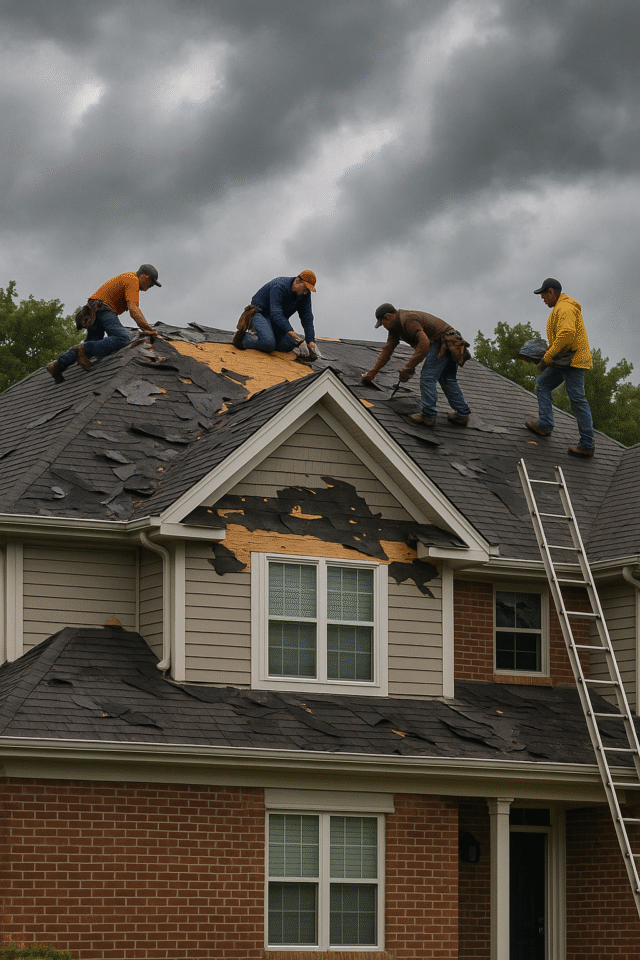
Storm response often moves quickly after hail, high winds, tornado warnings, or heavy rain. Cleanup, emergency tarping, roof inspections, insurance calls, and temporary repairs may begin before the roof’s condition has been clearly preserved. Once debris is moved, water is controlled, shingles are covered, or repairs begin, important details can become harder to verify.
“The best record is usually created before cleanup or temporary work changes what can be seen,” said Matthew Acevedo, owner of Elevated Roofing Inc. “Safety comes first, but when conditions are safe, photos, videos, dates, and written notes can give homeowners, contractors, and adjusters a clearer starting point.”
Storm-related roof concerns can include missing or lifted shingles, damaged flashing, dented vents, displaced ridge materials, roof penetrations, fallen branches, attic moisture, and interior water stains. Some damage is visible immediately. Other conditions may appear later as leaks develop or moisture reaches the interior.
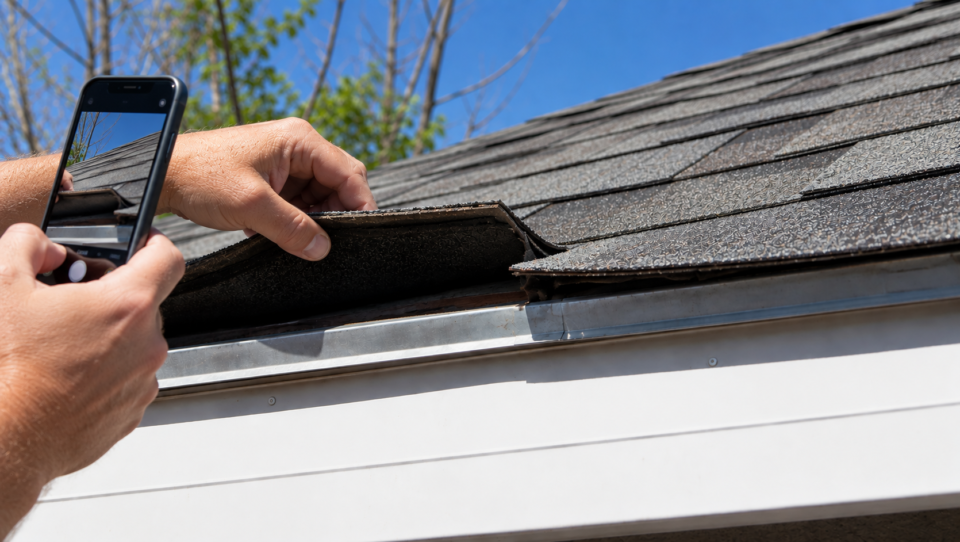
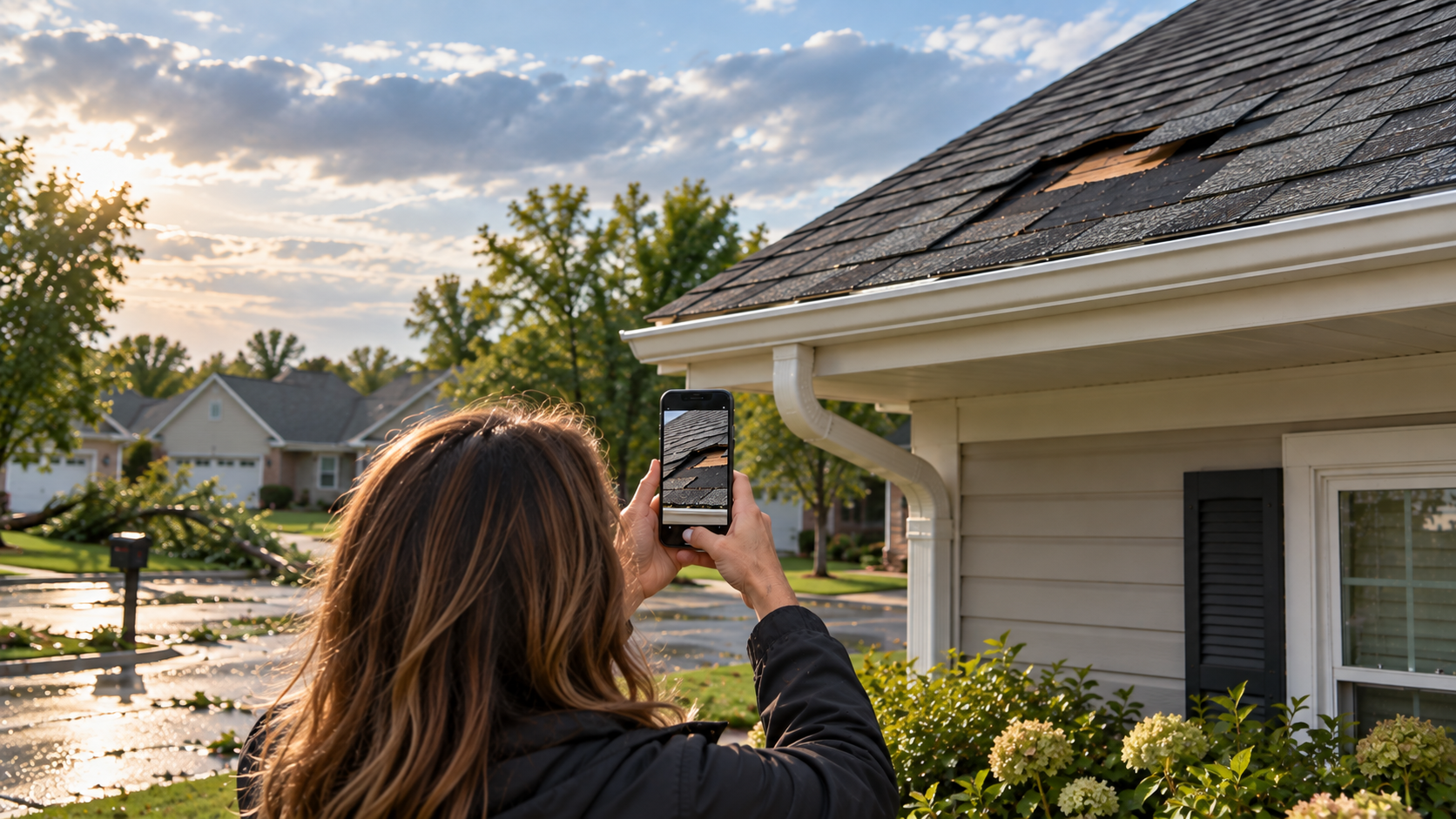
The roofer said useful post-storm photos should show both context and detail. Wide images from the ground can show the affected roof area and surrounding debris. Closer images may help show missing shingles, dented metal, damaged vents, leak locations, attic staining, or ceiling stains when those photos can be taken safely. Notes should include the approximate date and time of the storm, what type of weather occurred, and when the damage was first discovered.
Acevedo cautioned that homeowners should not climb wet, steep, damaged, or unstable roofs to gather photos. They should also avoid downed power lines, broken limbs, standing water, active leaks near electrical fixtures, and unsafe attic areas. When roof access is risky, ground-level photos, interior photos, and a professional inspection are safer options.
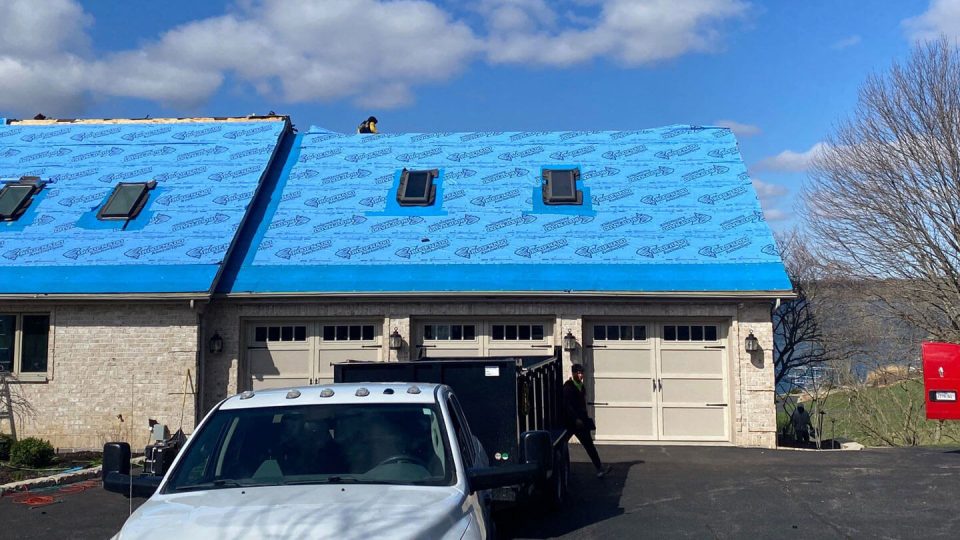
Crews provide emergency tarping after the storm stops and conditions allow work to be performed safely. Homeowners should not delay necessary temporary protection when water is entering the home, but they should photograph affected areas before and after temporary work whenever possible. Receipts, invoices, repair estimates, and contractor communications should also be saved.
“A contractor should be able to show what was observed, where it was found, and why a repair or replacement recommendation is being made,” Acevedo said. “That is different from promising what an insurance carrier will decide. Good records support a clearer review, but they do not guarantee a claim outcome.”
The contractor cautioned homeowners to be wary of anyone who promises claim approval or presents an insurance result as guaranteed. Claim decisions belong to the insurance carrier. A roofer’s role is to inspect the roof, document visible conditions, explain repair or replacement scope, and provide accurate information based on the findings.
Written records can also help clarify later questions involving storm damage, workmanship, material performance, maintenance, or existing roof conditions. Elevated Roofing recently published additional guidance on warranty responsibilities and describes its Galena-area repair services for homeowners reviewing roof concerns after severe weather.
Elevated Roofing Inc. is a residential roofing contractor serving homeowners in Illinois, Iowa, Wisconsin, and nearby communities. The contractor focuses on roof replacement, roof repair, storm damage roofing, emergency tarping, inspections, and written project communication for homeowners.
Post-Storm Roof Documentation FAQs
What should homeowners document after hail, high winds, or heavy rain?
Start with the date and approximate time of the storm and photograph visible roof conditions from safe locations. Wide images show where damage occurred; closer views can capture missing shingles, dented vents, fallen branches, or staining. Note when leaks or interior water marks first appeared, and save photos and related communications together.
Is it safe to climb onto a roof to photograph storm damage?
Homeowners should not climb a wet, steep, unstable, or visibly damaged roof solely to collect evidence. Photos from the ground, windows, or safe interior locations can establish an initial record. Avoid downed wires, damaged branches, and leaks near electrical fixtures. A qualified roofer can evaluate areas that cannot be seen safely.
Should emergency tarping wait until roof damage has been photographed?
Necessary protection of an actively leaking home should not be delayed solely to take photographs. When conditions are safe, photograph visible damage before and after temporary protection. Elevated Roofing performs emergency tarping after the storm stops and access is safe. Keep invoices and receipts and note when the work was completed.
How soon after a storm should homeowners contact a roofer?
Homeowners should contact a properly licensed local roofing contractor promptly when damage is visible or reasonably suspected, particularly after repeated storms or heavy rain. Scheduling may become more difficult after widespread weather events. The first step is to describe the concern and arrange a safe evaluation; inspection timing depends on weather, access, and workload.
What documents should be kept for an insurance review?
Keep the storm date, dated photographs, inspection findings, written repair estimates, temporary-repair receipts, and a log of communications with the contractor and insurer. These records can clarify what was observed and when action was taken. They do not determine whether damage is covered; the insurer evaluates a claim under the policy.
Can a roof inspection establish whether damage came from a storm?
An inspection can identify visible conditions and document findings that may be consistent with hail, wind, moisture intrusion, or existing wear. It may not establish the cause or precise date of every condition. Contractors can explain their observations and recommended work, while warranty and insurance decisions depend on their respective terms and review processes.