Summary: Elevated Roofing outlines what homeowners should expect from a professional roof evaluation after heavy rainfall, storm concerns, online estimate tools, and drone imagery create more demand for quick answers. The release explains how the contractor reviews visible roof components, attic concerns when appropriate, photo documentation, repair or replacement estimates, and written findings that can help homeowners make informed decisions.
STOCKTON, Ill. — Elevated Roofing Inc. is outlining what homeowners should expect from a professional residential roof inspection as above-normal rainfall, digital tools, and storm-related roof concerns create more demand for quick roofing answers.
The announcement follows a wet stretch across parts of Illinois and Iowa, where National Weather Service data for the Quad Cities forecast area showed June 2026 precipitation totals running 2 to 4.5 inches above normal. Dubuque recorded 9.76 inches, making it the city’s 7th wettest June. Repeated rain can expose roof concerns that may not be obvious during dry conditions, including flashing issues, aging materials, attic moisture, ventilation problems, and hidden leak paths.
Digital tools can help homeowners gather early information, but they should not be confused with a final diagnosis. An online estimate may provide a preliminary price range, and a drone may capture useful images. A professional roof inspection is still needed when a homeowner wants to understand what caused the concern and what solution is appropriate.
“Online estimates can be helpful for early planning, but they are not the same as inspecting a roof,” said Matthew Acevedo, owner of Elevated Roofing Inc. “A real inspection looks at the roof system, the warning signs, and the conditions that may not show up in a quick photo or rough price range.”
A residential roof inspection should include a review of visible roofing components, including shingles or panels, flashing, ridge cap, roof penetrations, and ventilation. The goal is to identify visible damage, signs of wear, installation concerns, leak risks, and conditions that may require repair, replacement, or further investigation.
Attic review may be appropriate when exterior conditions or interior signs justify a closer look. Staining, suspected moisture movement, soft decking, ventilation concerns, or evidence of water intrusion may require more than a roof-surface review because some problems cannot be fully evaluated from outside alone.
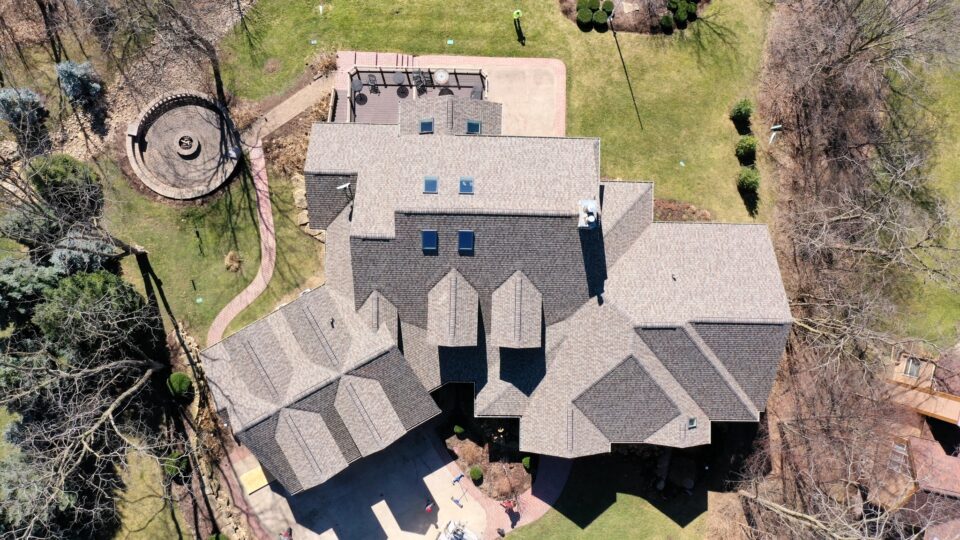
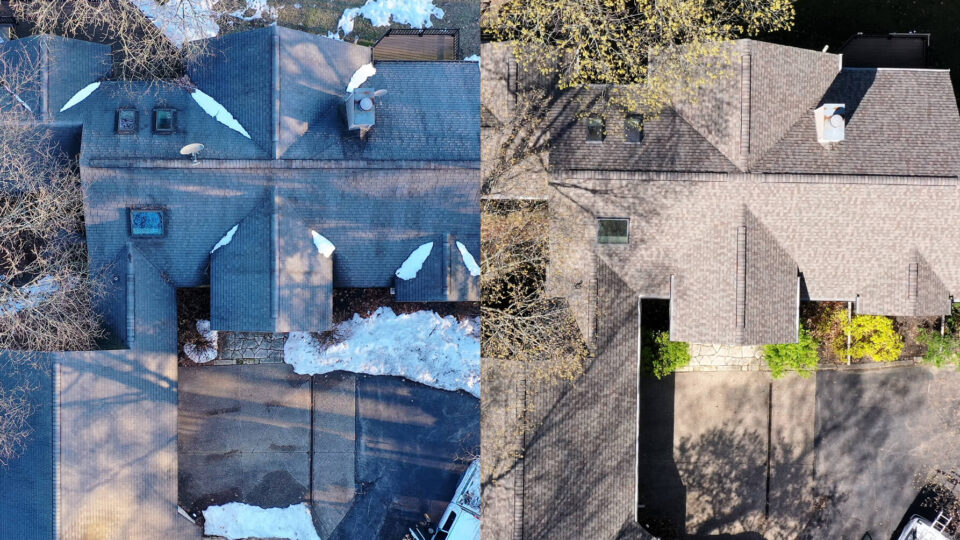
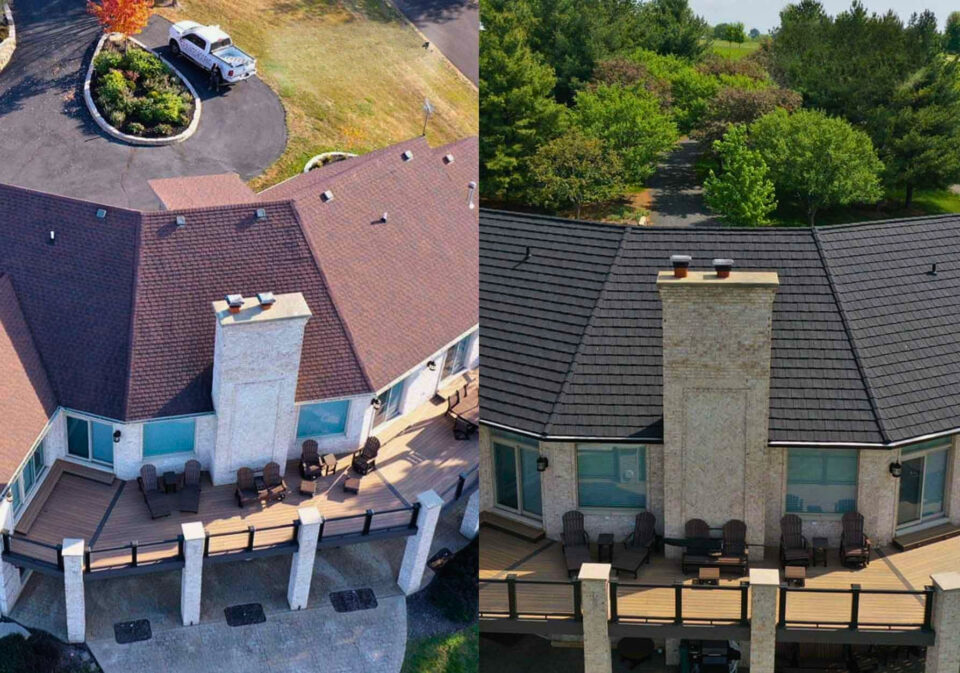
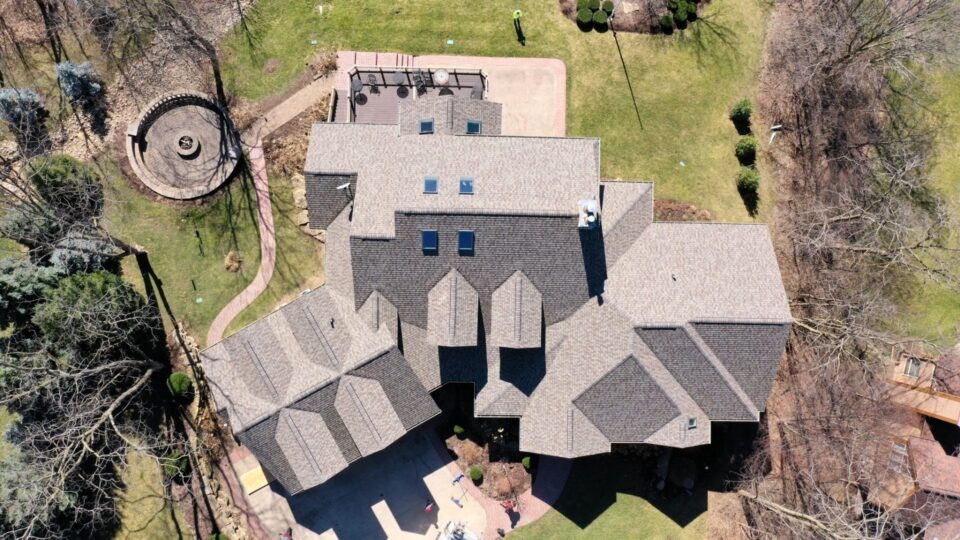
Drone imagery can support the inspection process, especially when access is difficult or a wider view is needed. However, a drone remains a tool rather than a final answer. It cannot feel soft spots underfoot, test material condition, trace interior moisture, or connect attic findings with exterior symptoms the way an experienced roofing professional can.
“Technology can collect information, but the expert still has to interpret it,” Acevedo said. “There is a difference between seeing a roof and inspecting a roof. Sometimes the answer comes from being on the roof, feeling what is happening under your feet, and checking inside the attic.”
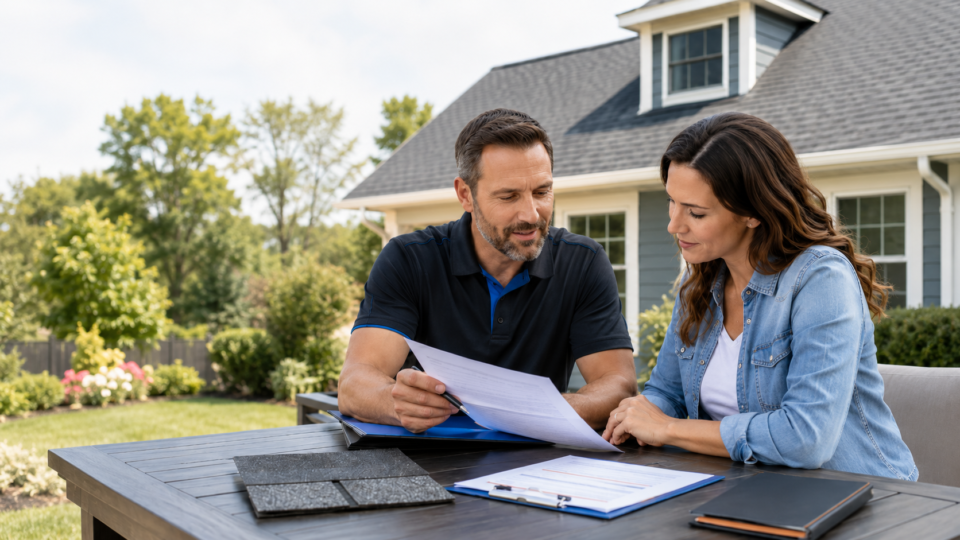
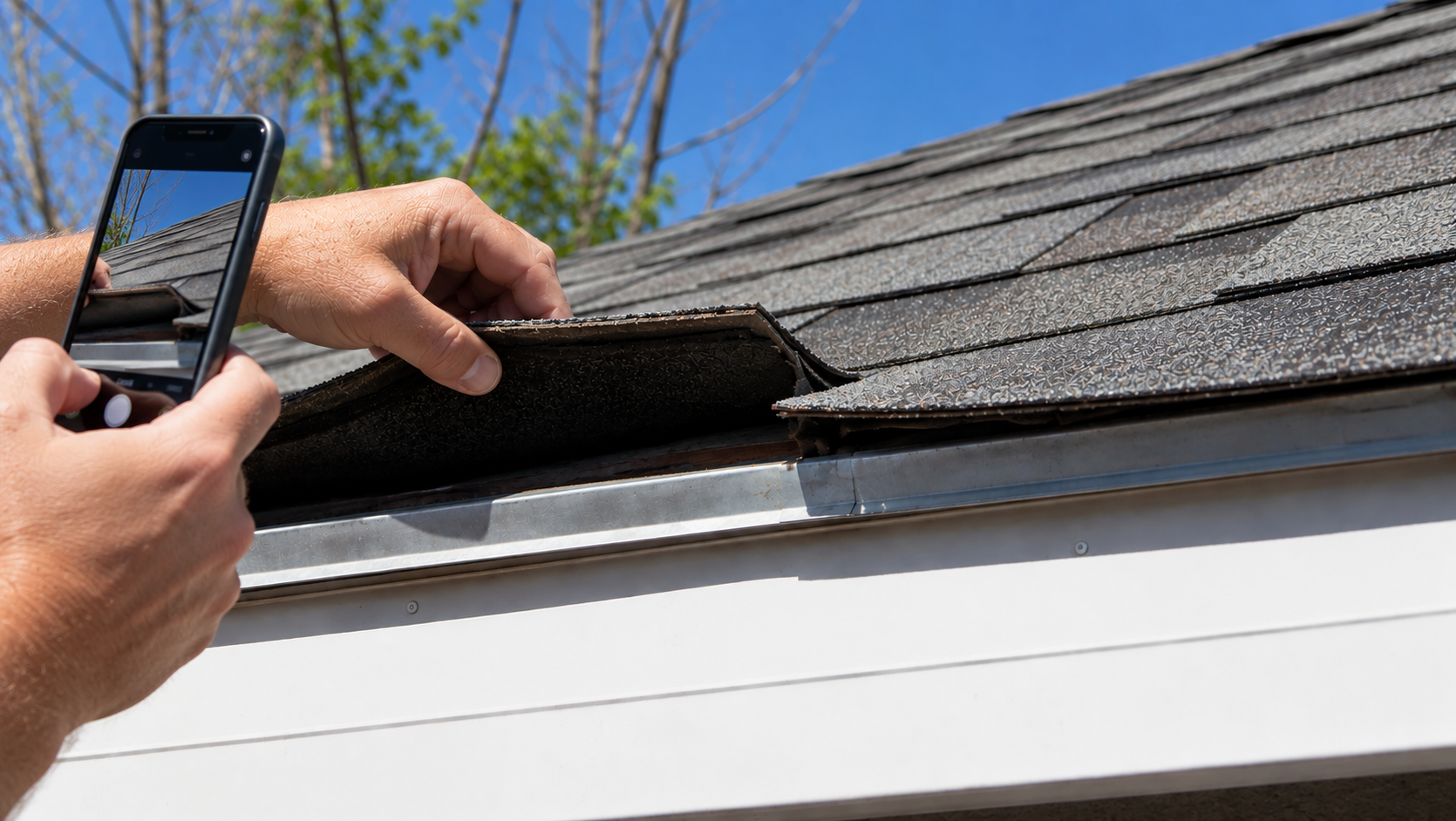
Documentation is one of the most important parts of the contractor’s inspection process. Elevated Roofing provides photos and documentation of what was found so homeowners can understand the roof’s condition and keep records for future decisions. If requested, the contractor may also provide repair or replacement estimates based on the findings, including good, better, and best options when replacement is recommended.
Clear documentation can also help when the insurance estimate process may need to be reviewed. Photos, written findings, and a defined scope can help homeowners communicate roof conditions during the claim process. Documentation does not guarantee claim approval, but it can reduce confusion when storm damage, repairs, or replacement decisions are being reviewed.
The same standards can matter during a real estate transaction, when buyers and sellers need to understand roof condition, likely repair needs, replacement timing, and estimated cost before closing, listing, negotiating, or approving work.
The contractor cautioned homeowners to look closely at the inspection record. Photos should clearly show the affected area, findings should be specific, and recommendations should be tied to what was actually observed. Unclear images, vague scopes, rushed approval requests, or proposals that change after the first visit can make it harder to compare options and understand potential costs.
Elevated Roofing said homeowners should ask what will be inspected, whether photos will be provided, whether findings will be documented, and whether repair or replacement options will be explained in writing. The contractor also published an estimate comparison guide for homeowners reviewing scope, pricing, warranty language, and proposal details before approving roofing work.
Elevated Roofing Inc. is a residential roofing contractor serving homeowners in Northwest Illinois, Northeast Iowa, and nearby communities. The contractor focuses on roof replacement, roof repair, inspections, and storm documentation.
FAQs
What should a residential roof inspection include?
A residential roof inspection should review visible roofing components such as shingles or panels, flashing, ridge cap, roof penetrations, and ventilation. Depending on the condition of the roof and what the contractor observes, the inspection may also include attic review, photos, written findings, and repair or replacement recommendations.
Why is an in-person roof inspection different from an online estimate?
An online estimate can help homeowners understand a preliminary price range, but it cannot confirm the cause of a roof concern. An in-person inspection allows a roofing professional to evaluate visible roof conditions, warning signs, material concerns, attic symptoms, and other issues that may not appear in a photo or rough estimate.
Can a drone replace a roof inspection?
A drone can support the inspection process by capturing useful images, especially when access is difficult or a wider view is needed. However, it does not replace professional evaluation. A drone cannot feel soft decking, test material condition, trace interior moisture, or connect attic findings with exterior symptoms.
When should an attic be checked during a roof inspection?
An attic review may be appropriate when exterior conditions or interior signs suggest a closer look is needed. Staining, suspected moisture movement, soft decking, ventilation concerns, or evidence of water intrusion may require more than a roof-surface review because some roof problems cannot be fully evaluated from outside alone.
Why are photos and written findings important after a roof inspection?
Photos and written findings help homeowners understand what was observed, where concerns were found, and why repair or replacement may be recommended. Clear documentation can also help with future decisions, estimate comparisons, insurance-related review, real estate transactions, and records of the roof’s condition over time.
Can a roof inspection help during a home sale or purchase?
Yes. A documented roof inspection can help buyers and sellers understand roof condition, likely repair needs, replacement timing, and estimated cost before closing, listing, negotiating, or approving work. This can reduce uncertainty and help both sides make a more informed decision.