Summary: Elevated Roofing is clarifying roof warranty responsibilities for homeowners reviewing long-term protection before approving roofing work. The announcement explains how manufacturer warranties, workmanship guarantees, transfer rules, maintenance expectations, documentation, and first-response steps can affect what happens if a roof concern appears later.
Stockton, Illinois. — Elevated Roofing Inc. is drawing attention to written roof coverage terms as more homeowners review long-term protection before approving residential roofing projects. The company said warranty language, workmanship guarantees, transfer rules, and homeowner maintenance responsibilities are often misunderstood during the estimate process, even though those details can affect what happens years after installation.
The company said confusion often begins with the way the words warranty and guarantee are used. A manufacturer warranty generally refers to written coverage tied to roofing materials, while a workmanship guarantee typically refers to the contractor’s written promise regarding installation-related workmanship. Both can matter, but they do not always cover the same issues, follow the same process, or last for the same period.
“A guarantee should feel personal, but it still needs to be written clearly,” said Matthew Acevedo, owner of Elevated Roofing Inc. “When a contractor talks about workmanship, that usually means the installation side of the roof. When a manufacturer talks about a warranty, that is usually tied to the product. Homeowners need to understand both before they compare one proposal to another.”
Elevated Roofing provides written workmanship coverage along with manufacturer-backed material protection on qualifying residential roofing systems. The company’s workmanship guarantee details explain how material coverage, workmanship protection, coverage tiers, and transfer rules can differ.
The contractor said transferability is an important detail for homeowners who may sell their property in the future. A transferable warranty or guarantee can provide added confidence for a later buyer, but transfer rules are not automatic across all roofing systems. Some coverage may require written notification, documentation, or completion within a specific timeframe after the property changes ownership.
Coverage also depends on how roofing concerns are handled after installation. Elevated Roofing said homeowners may need to report issues promptly, protect the property from further damage when active leaking occurs, keep gutters clear, address visible algae, and follow recommendations after an inspection identifies a concern. Delayed action after a known issue may affect whether later damage is treated as covered or as neglect.
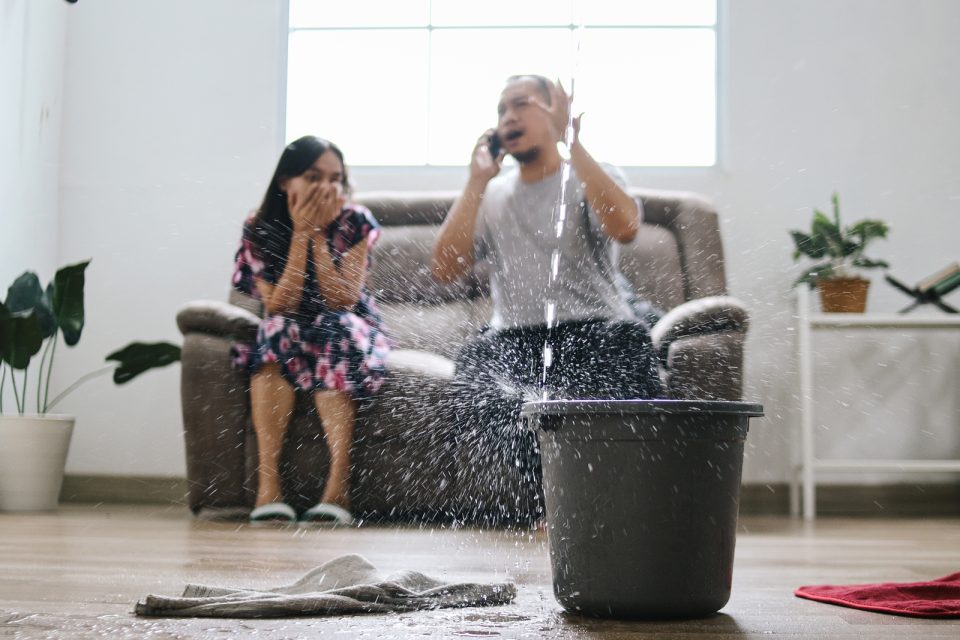
“The problem is not always the fine print itself. The problem is when nobody explains it until something has already gone wrong,” Acevedo said. “A homeowner should not find out what a workmanship guarantee means for the first time after water is already inside the house.”
The company pointed to algae protection as one example of a detail homeowners may overlook. Some roofing products include algae-resistant features, but algae-related protection may be shorter than the full material term. If growth appears and continues spreading without maintenance, the resulting condition may fall outside the original protection. Early shingle deterioration, loose shingles, lifted tabs, exposed flashing, or post-storm roof concerns may also need timely documentation and review.
Elevated Roofing said the cause of a roof issue matters. A missing shingle, for example, may be related to installation, product performance, existing roof condition, repair timing, or severe weather. The company said homeowners should avoid assuming every issue falls under the same type of protection, especially after high winds, hail, freeze-thaw conditions, or emergency repairs.
The company said homeowners should also understand the first steps to take when a leak or visible roof concern appears. In most situations, the installing contractor should be contacted promptly so the issue can be documented and reviewed under the workmanship terms. If the damage appears related to hail, wind, falling debris, or another sudden event, the homeowner may also need to contact the insurance carrier and review the roof insurance estimate process.
When responsibility is unclear, written records can help reduce confusion. Photos, contracts, manufacturer paperwork, inspection notes, repair records, and communication history may help separate workmanship questions from material concerns, storm damage, or maintenance-related issues. If a disagreement cannot be resolved directly, homeowners may consider contacting the manufacturer, insurance carrier, a qualified third-party inspector, the Better Business Bureau, the appropriate state consumer protection office, or a qualified legal professional.
The contractor also said company stability should be part of the coverage discussion. A long workmanship term has limited value if the contractor is difficult to reach, no longer operating, or not established in the area when a homeowner needs support. Elevated Roofing encourages homeowners to review written terms, contractor history, licensing, insurance, local presence, and documentation standards before choosing a roofing company.
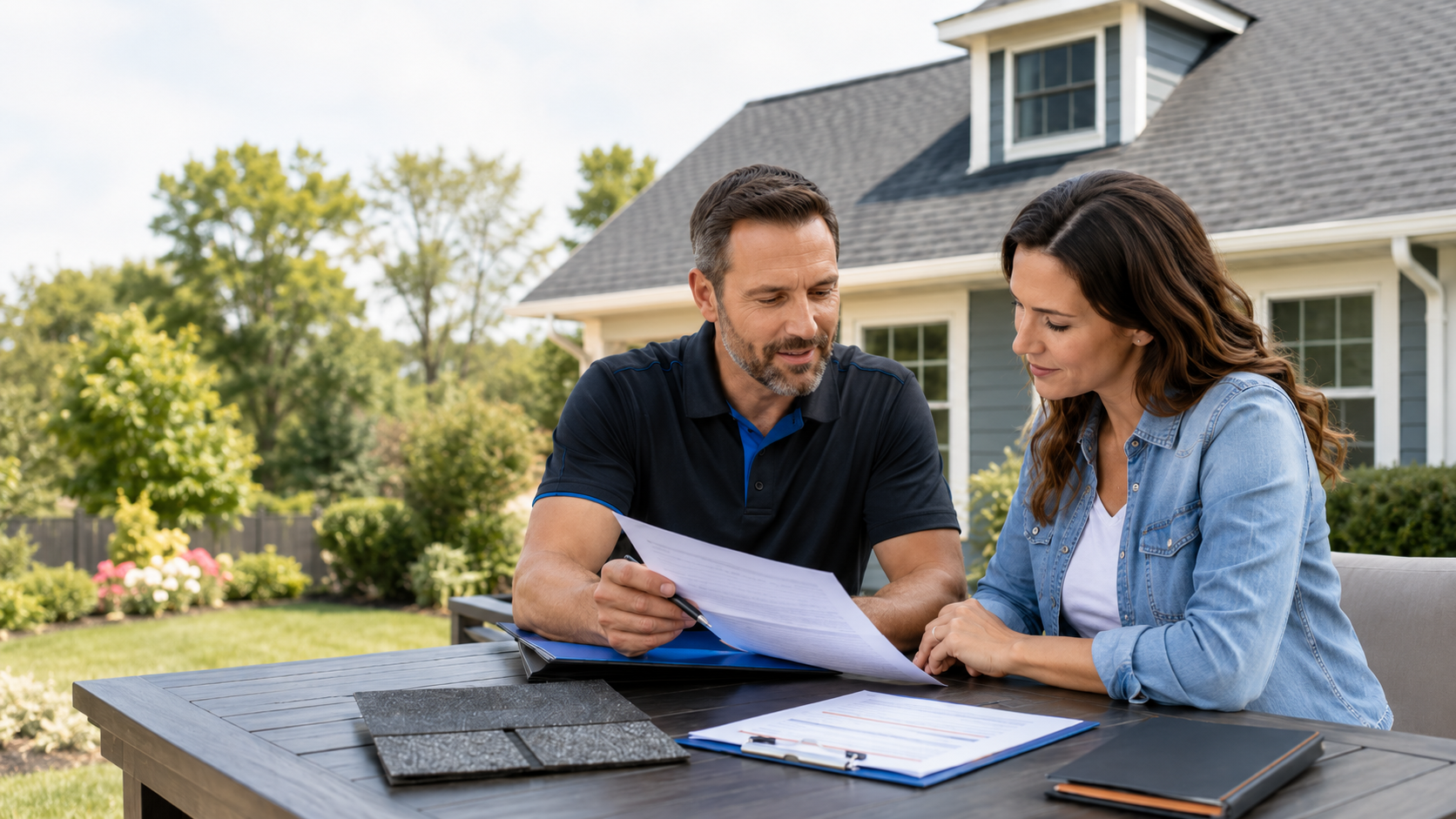
The topic also connects to estimate review. Elevated Roofing previously published a roof estimate comparison guide that encourages homeowners to compare more than the total price of a roofing proposal. The company said warranty language, workmanship terms, material coverage, cleanup, disposal, flashing, underlayment, and payment terms should be evaluated together because a cheaper estimate may not include the same long-term protection.
Elevated Roofing Inc. is a residential roofing contractor serving homeowners in Northwest Illinois, Northeast Iowa, and nearby communities. The company focuses on roof replacement, repair, inspection, storm-related documentation, and written project communication for residential roofing customers. More information is available through the company’s roofing resources.
Roof Warranty Responsibilities FAQs
What is the difference between a roof warranty and a workmanship guarantee?
A roof warranty usually refers to written coverage for roofing materials, while a workmanship guarantee refers to the contractor’s responsibility for installation-related issues. Homeowners should review both before approving a roof project because the coverage length, responsible party, exclusions, transfer rules, and claim process may be different.
Who should a homeowner contact first if a roof leak appears?
In many cases, the installing contractor should be contacted first so the issue can be documented and reviewed under the workmanship terms. If the leak appears connected to hail, wind, falling debris, or another sudden event, the homeowner may also need to contact their insurance carrier and protect the property from further damage.
Can a roof warranty be affected by lack of maintenance?
Some roofing coverage can be affected if a known issue is ignored or if maintenance responsibilities are not followed. Homeowners may need to report problems promptly, keep gutters clear, address algae growth, follow inspection recommendations, and prevent active leaks from causing additional damage. Written warranty terms should explain these responsibilities clearly.
Is a roof warranty transferable when a home is sold?
Some manufacturer warranties and workmanship guarantees may be transferable, but transferability is not automatic in every case. A transfer may require written notice, documentation, and completion within a specific timeframe after the property changes ownership. Homeowners planning to sell should review those rules before assuming coverage will pass to the next owner.
What records should homeowners keep for roof warranty claims?
Homeowners should keep copies of their roofing contract, warranty paperwork, manufacturer documents, inspection notes, photos, repair records, and communication history. These records can help clarify when a roof issue appeared, what action was taken, and whether the concern may involve workmanship, materials, storm damage, or maintenance.
What happens if the contractor, manufacturer, and insurance company disagree?
When responsibility is unclear, written documentation becomes important. Homeowners may need an independent roof inspection, manufacturer review, insurance review, or consumer protection assistance. If the disagreement involves contract interpretation, denied coverage, or financial loss, speaking with a qualified legal professional may also be appropriate.