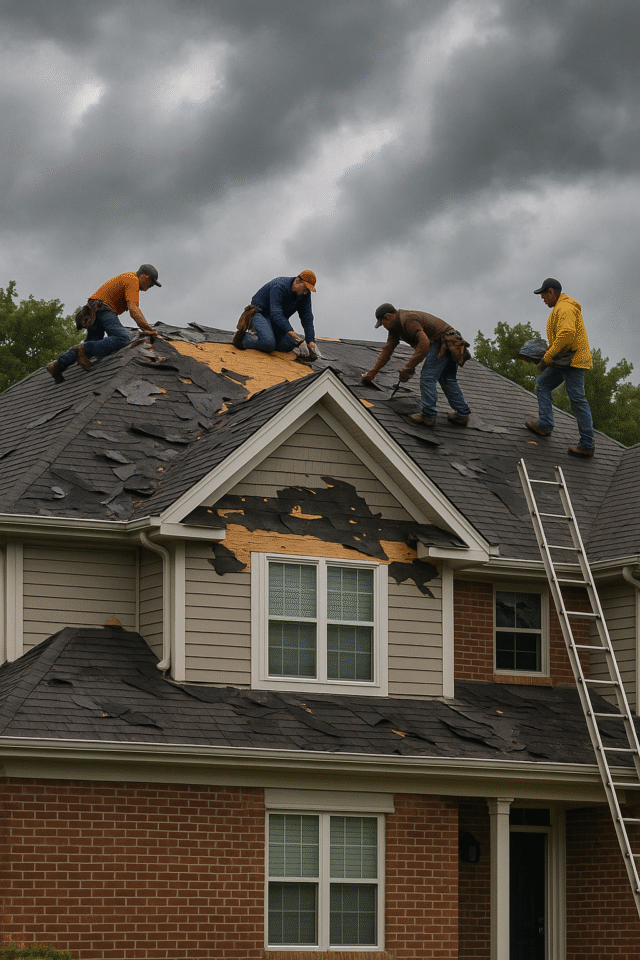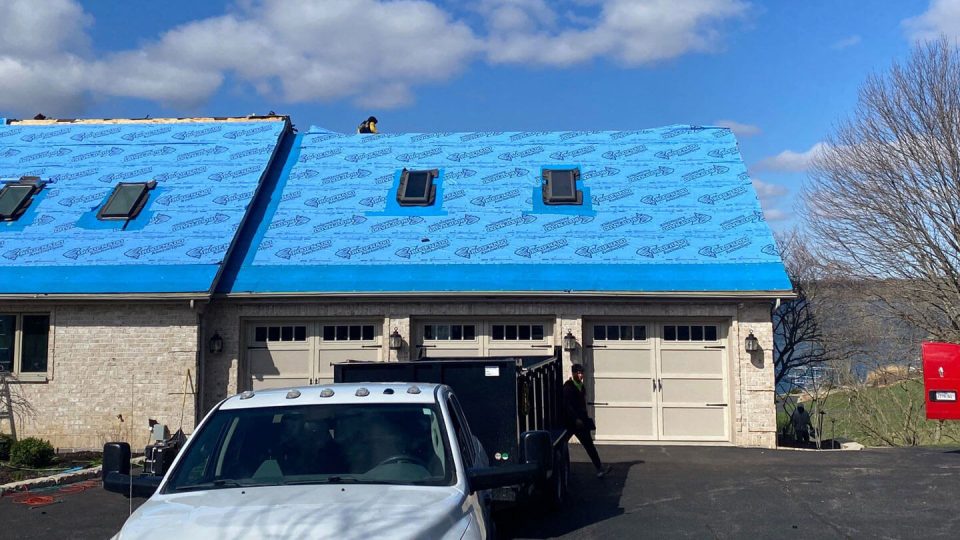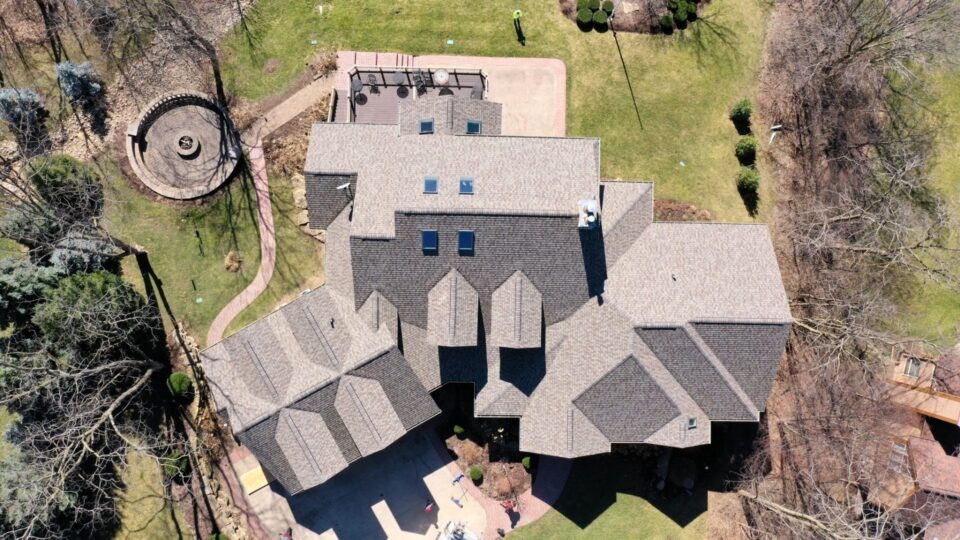
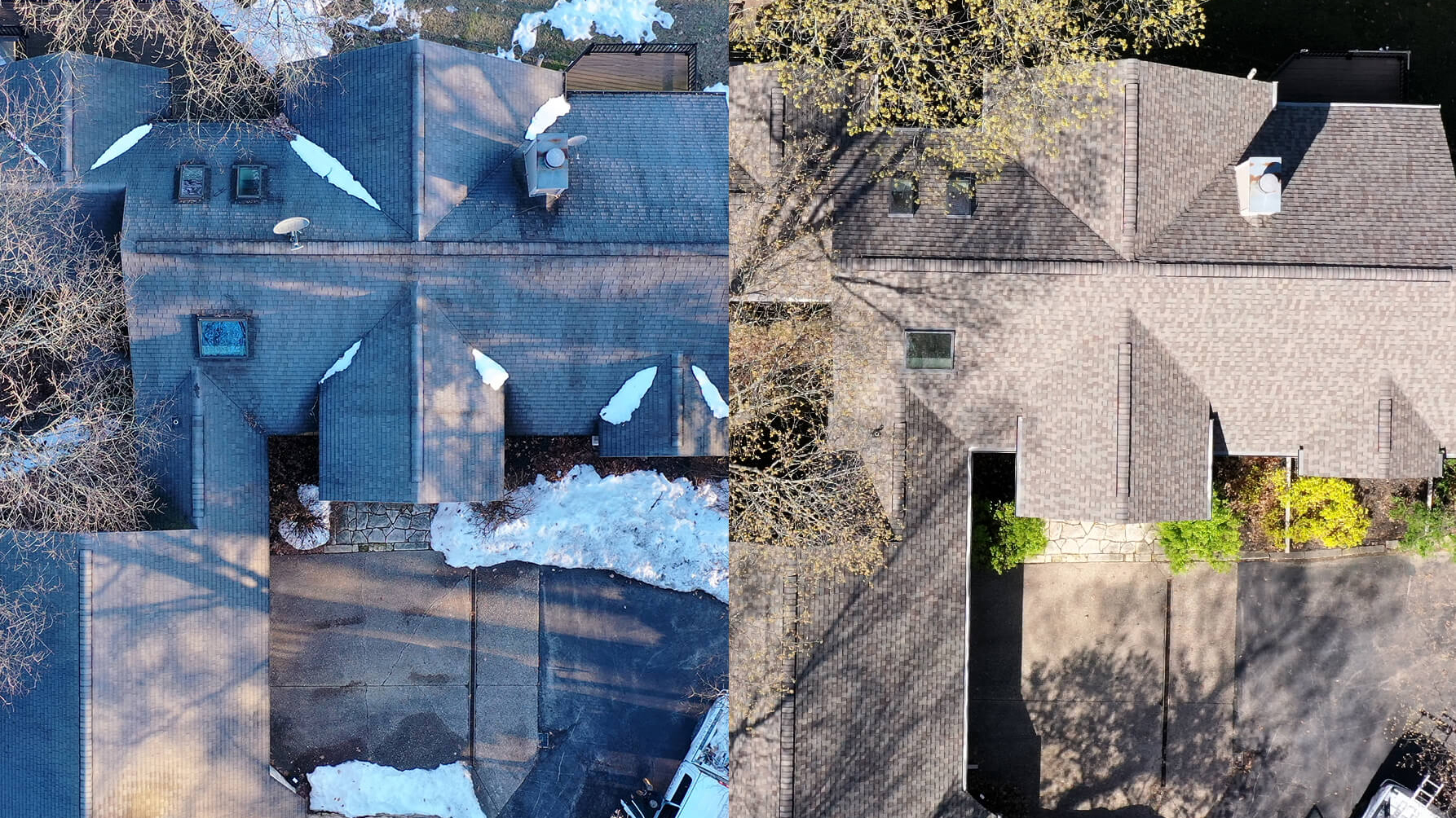
Recent winter weather and severe spring storms pushed many homeowners to move from “waiting and watching” to actively scheduling roof replacement projects. Elevated Roofing says the shift reflects a broader pattern across Northwest Illinois and nearby service areas as aging roofing systems face repeated seasonal stress.
STOCKTON, IL – Elevated Roofing says winter weather conditions and severe spring storms accelerated new roof decisions for many homeowners across Northwest Illinois who had previously delayed moving forward with full roof replacement projects.
According to the company, many homeowners who scheduled roofing inspections or received estimates during 2025 postponed replacement decisions while continuing to monitor aging roofing systems. Elevated Roofing said winter ice damming, repeated freeze-thaw cycles, heavy snow loads, tornado activity, hailstorms, and spring storms earlier this year exposed active leaks and moisture intrusion that forced many property owners to move forward with roofing projects sooner than originally planned.
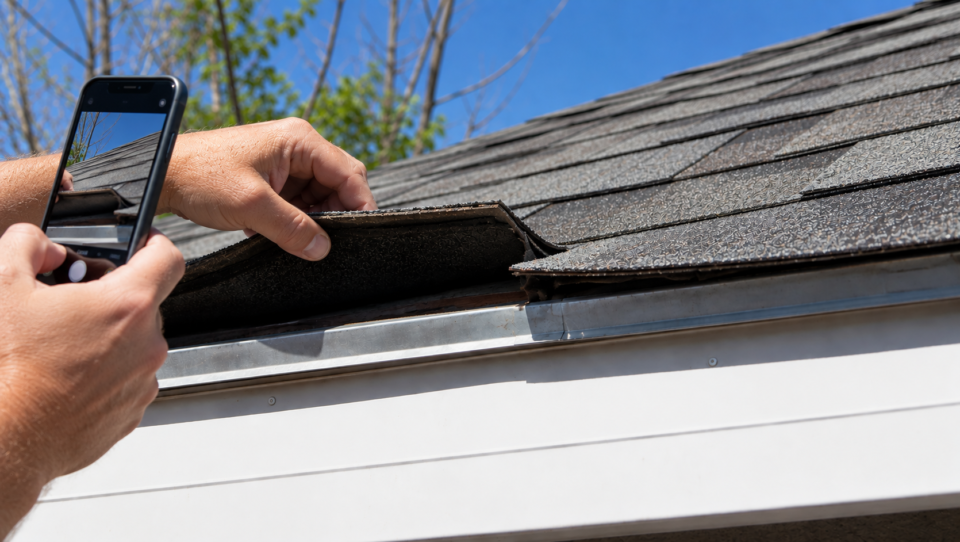
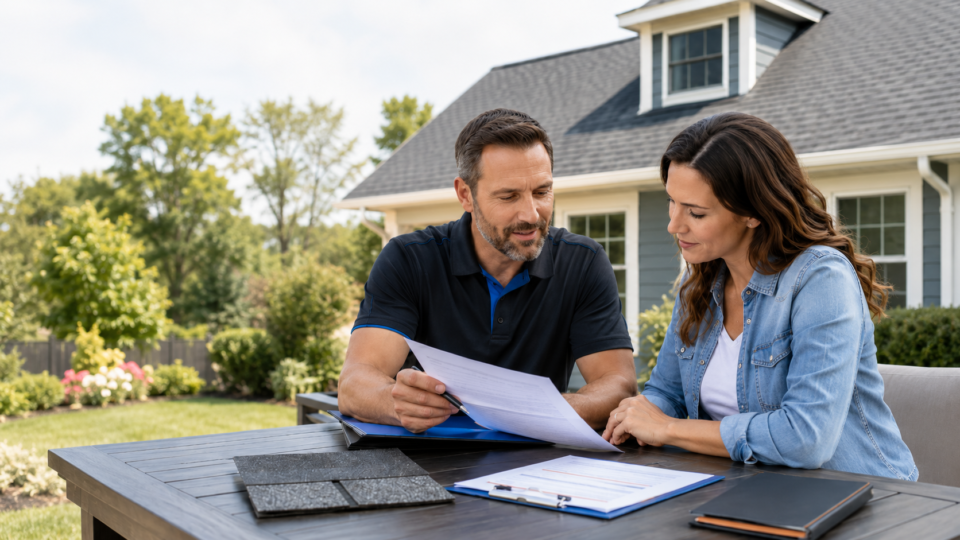
The contractor has also published roof evaluation guidance explaining how photos, written findings, and inspection details can help homeowners make clearer decisions after weather-related roof concerns.
The contractor said roofing activity increased significantly during the opening months of 2026, particularly after tornadoes, hailstorms, and high winds affected areas including Lena, Galena, McConnell, and Freeport. Elevated Roofing noted that inspection requests and project scheduling increased enough that some inspections and roofing projects were being booked weeks in advance as homeowners attempted to complete work before additional storms moved through the region.
The company said completed roof installation projects during the first part of 2026 roughly doubled compared to the same period last year, while average project wait times expanded from approximately one to two weeks during 2025 to more than 30 days in some cases this spring. Elevated Roofing said many homeowners who initially hoped to delay replacement work ultimately moved forward after weather exposure revealed broader roofing system concerns.
“A lot of homeowners had already looked at replacing the roof sometime within the next couple years, but they were taking their time with estimates and trying to hold off a little longer,” said Matthew Acevedo of Elevated Roofing. “What changed this year was the weather. Once ice damming, thawing, wind-driven rain, hail, and spring storms started exposing active leaks inside the home, many people realized waiting another season was no longer realistic.”
The roofing company said many of the systems inspected this spring had already been nearing the end of their expected service life before this year’s severe weather accelerated deterioration. Elevated Roofing noted that older asphalt shingle roofing systems installed 15 to 20 years ago are now reaching replacement age throughout much of the region, particularly on homes built or reroofed during the early and mid-2000s.
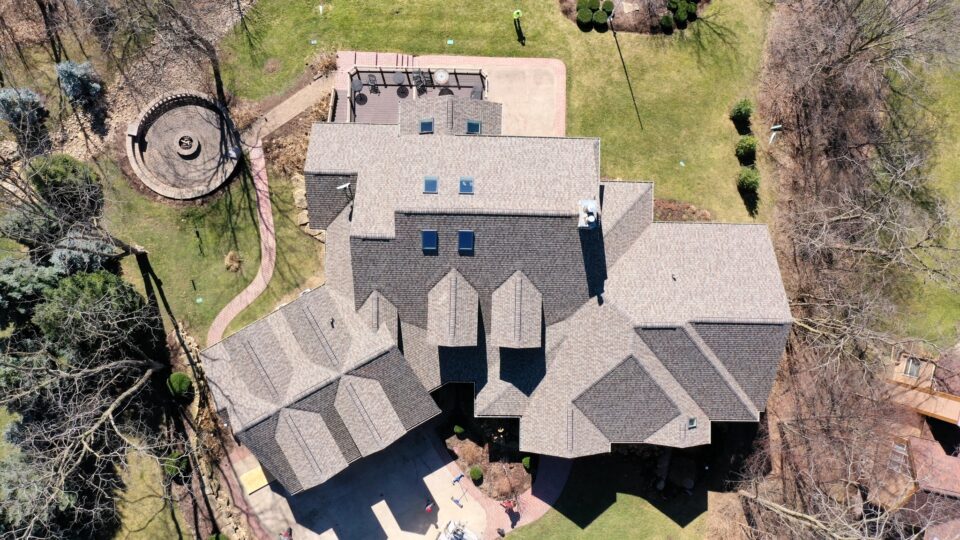
According to the company, some homeowners initially noticed isolated issues involving missing shingles, detached ridge caps, or minor interior staining before repeated storm exposure revealed larger moisture-related concerns. Recent inspections commonly involved water intrusion around chimneys, pipe penetrations, skylights, flashing transitions, valleys, and sections weakened by long-term weather exposure.
The contractor said some of the most significant roofing problems discovered this year involved improper flashing installation methods and water-management details that remained hidden beneath shingles for years before severe weather conditions exposed failures. Elevated Roofing said improperly installed chimney counter-flashing, insufficient valley overlap, overreliance on caulking, and incorrect material layering have become recurring issues during inspections throughout Northwest Illinois and Northeast Iowa.
“In many situations, the roof had already reached a point where severe weather exposure was starting to accelerate deterioration,” Acevedo said. “The combination of winter conditions followed by tornadoes, hailstorms, and strong spring storms pushed a lot of homeowners from simply monitoring the roof to actively scheduling replacement work. A lot of what we’re finding now involves installation details that homeowners would never realistically see from the ground.”
The company explained that some roofing systems continued shedding water under normal conditions but began allowing moisture intrusion after repeated freeze-thaw cycles, wind-driven rain, and severe spring storms placed additional stress on aging materials and flashing assemblies. Elevated Roofing said some homeowners only became aware of larger roofing problems after moisture reached attic spaces, ceilings, or wall areas during repeated rainfall events.
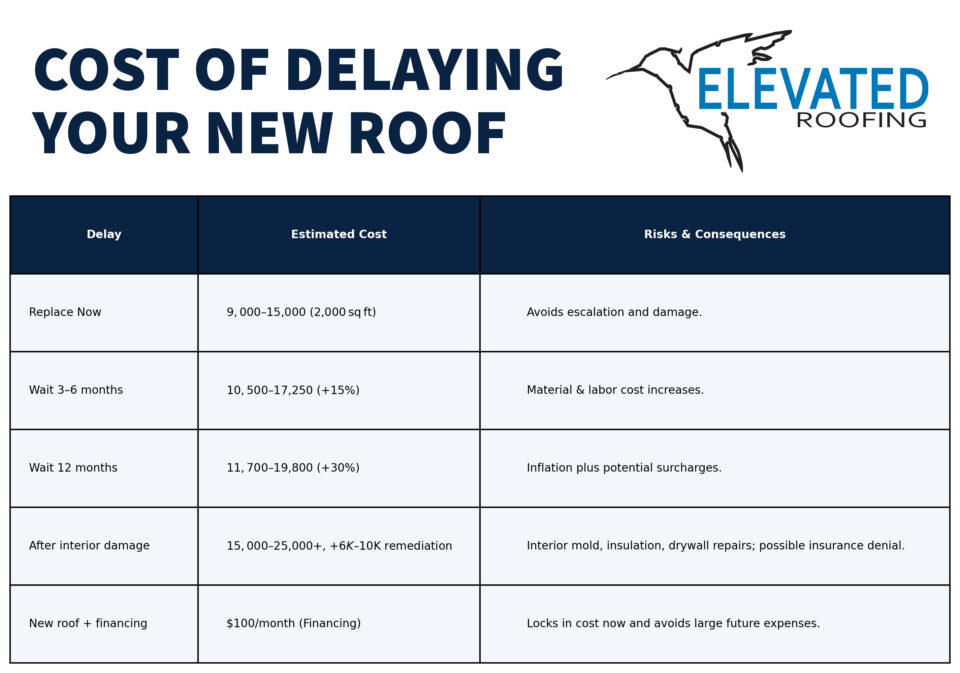
According to the contractor, some homeowners are still navigating insurance inspections and claim reviews connected to recent storms while temporary repairs remain in place. Elevated Roofing said many property owners are now choosing to move forward with replacement work before another winter and spring weather cycle creates larger structural concerns or more expensive interior damage.
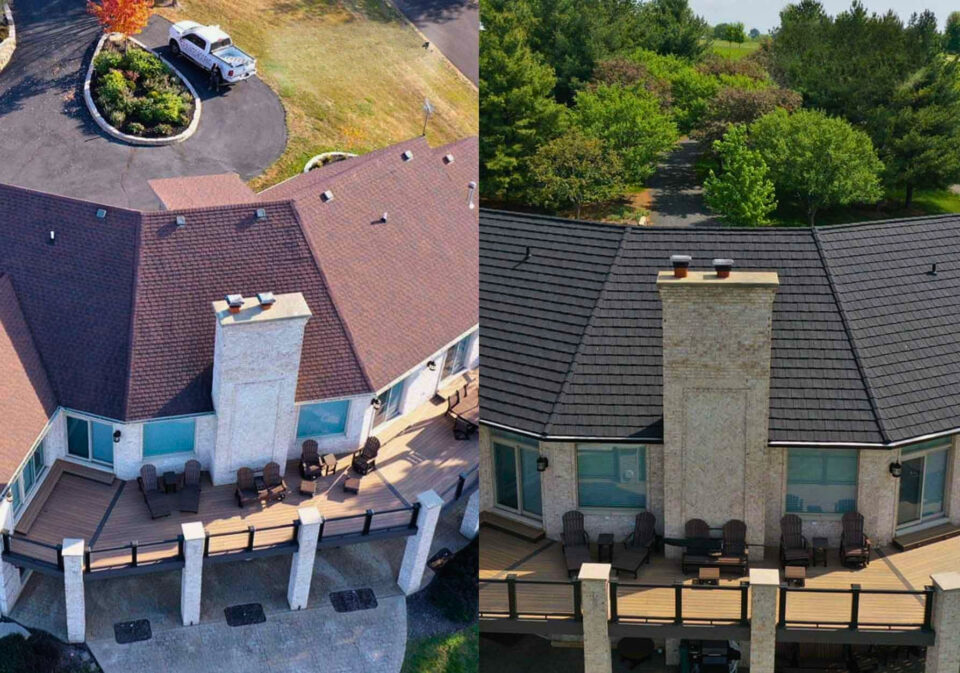
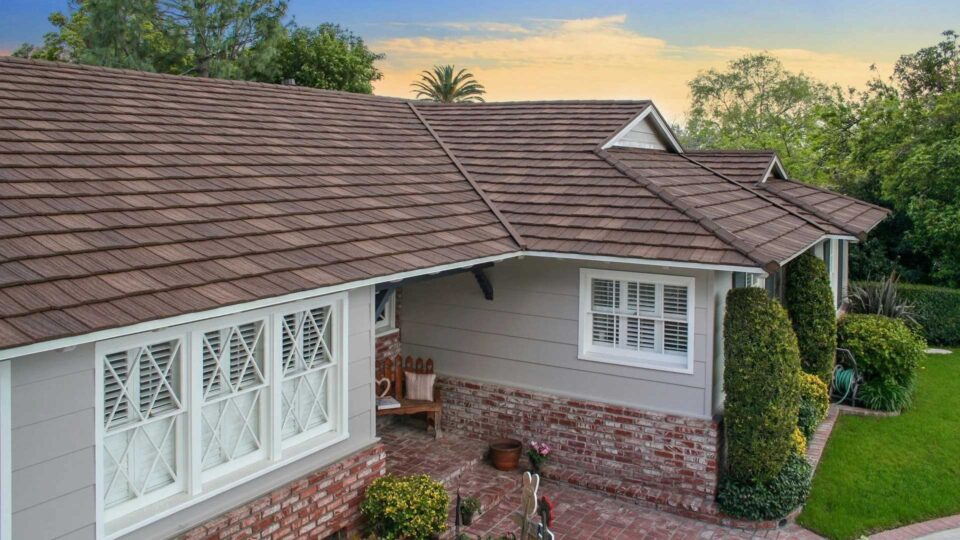
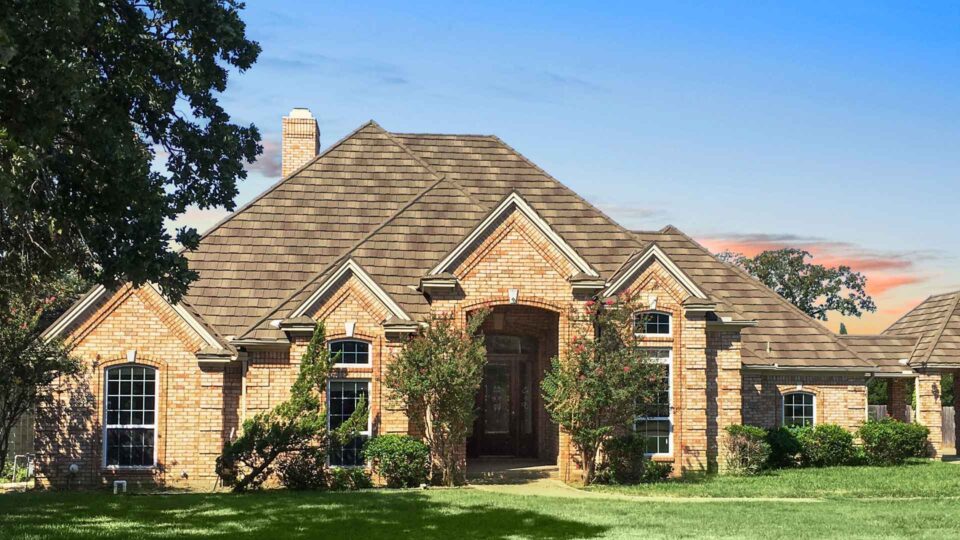
The company previously examined changing residential roof replacement trends affecting homeowners throughout the region as aging roofing systems and weather-related concerns continue influencing residential roofing decisions. Additional information about residential roof replacement and storm damage roof repair is available through Elevated Roofing.
Frequently Asked Questions
What are new roof decisions?
New roof decisions refer to the point when a homeowner decides whether to keep repairing an existing roof or move forward with full roof replacement. These decisions are usually based on roof age, leak history, storm exposure, inspection findings, repair frequency, material condition, and whether delaying replacement could lead to larger damage.
Why did recent weather rush new roof decisions?
Recent weather rushed new roof decisions because winter ice damming, freeze-thaw cycles, heavy snow, hail, wind, and spring storms exposed leaks that some homeowners had not seen before. Many roofs were already aging, but repeated weather exposure made the problems harder to ignore and pushed homeowners to schedule replacement sooner.
When should a homeowner replace a roof instead of repairing it?
A homeowner should consider roof replacement instead of repair when the roof has widespread wear, recurring leaks, aging shingles, repeated storm damage, failing flashing, or moisture entering the attic, ceiling, or walls. A professional inspection can help determine whether repairs are still practical or whether replacement is the more reliable long-term option.
How can storms affect an older asphalt shingle roof?
Storms can expose weak points in an older asphalt shingle roof by lifting shingles, loosening ridge caps, driving rain into flashing transitions, damaging valleys, and worsening existing material wear. Hail, high winds, ice, and repeated freeze-thaw cycles can accelerate deterioration, especially on roofs already near the end of their expected service life.